
The construction industry is no longer driven solely by blueprints, paperwork, and manual coordination. As projects become larger and more complex, construction companies are increasingly turning to digital solutions to improve efficiency, communication, and profitability. This is where a Construction Software Complete Guide becomes essential for business owners, project managers, contractors, and construction professionals looking to stay competitive.
At AiToolReviewPro, we understand that choosing the right construction software can feel overwhelming. With hundreds of tools available in the market, finding a solution that meets your specific business needs requires careful evaluation. This Construction Software Complete Guide will help you understand what construction software is, its benefits, key features, and how to select the best solution for your company.
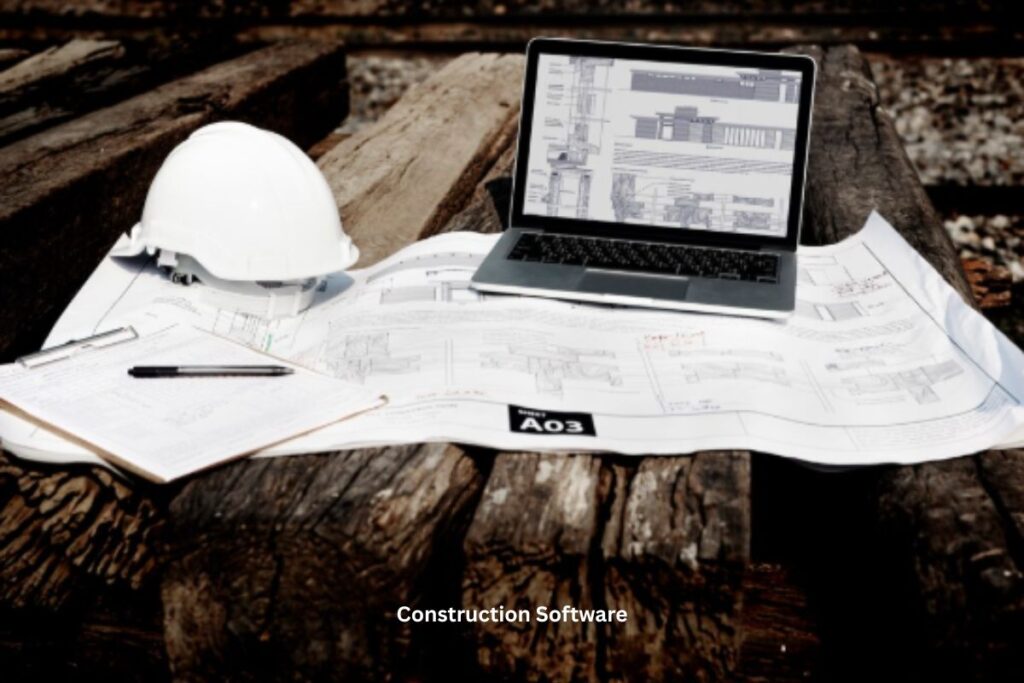
What Is Construction Software?
Construction software refers to digital tools designed to help construction companies manage projects, resources, budgets, schedules, documents, and communication more effectively. Instead of relying on spreadsheets and paper-based processes, businesses can centralize operations through a single platform.
A modern construction software solution acts as the backbone of project management, ensuring all stakeholders have access to accurate information in real time. Whether you’re handling a residential renovation or a multi-million-dollar commercial project, the right software can significantly improve project outcomes.
Why Construction Software Matters
The construction industry faces unique challenges. Tight deadlines, budget constraints, labor shortages, and constant communication between multiple parties can make project management difficult.
Following a reliable Construction Software Complete Guide can help organizations understand how technology solves these challenges. Construction software reduces manual work, improves collaboration, and minimizes costly mistakes that can impact project timelines and profitability.
Companies that embrace digital transformation often gain a significant competitive advantage over those still relying on traditional management methods.
Key Benefits of Construction Software
Improved Project Planning
One of the biggest advantages of construction software is enhanced planning capabilities. Advanced project scheduling tools allow managers to create detailed project timelines, assign tasks, and monitor progress throughout the project lifecycle.
Proper planning reduces delays and helps teams meet deadlines more consistently.
Better Budget Management
Financial control is critical in construction. Modern construction budgeting software enables businesses to monitor expenses, track invoices, and compare estimated costs against actual spending.
This helps project managers make informed financial decisions and avoid budget overruns.
Enhanced Team Communication
Construction projects involve multiple stakeholders, including contractors, subcontractors, architects, engineers, and clients. Effective communication is essential for project success.
Using team collaboration software, everyone can access updates, share files, and communicate within a centralized platform.
Real-Time Progress Tracking
With construction project tracking, managers can monitor work progress in real time. This visibility allows teams to identify issues early and take corrective action before problems escalate.
Real-time tracking improves accountability and keeps projects moving forward efficiently.
Centralized Documentation
Managing documents manually can be time-consuming and risky. Through construction document management, important files such as contracts, permits, blueprints, and inspection reports are stored securely and organized in one location.
This ensures critical information is always accessible when needed.
Essential Features to Look For
A comprehensive Construction Software Complete Guide would be incomplete without discussing the features that matter most.
Resource Allocation
Efficient management of labor, equipment, and materials is crucial for project success. Modern resource management software helps construction companies maximize productivity while minimizing waste.
Cloud Accessibility
Today’s construction professionals need access to project information from job sites, offices, and remote locations. This is why cloud-based construction software has become increasingly popular.
Cloud platforms provide secure access to project data anytime and anywhere.
Workflow Automation
Administrative tasks often consume valuable time. Construction workflow automation streamlines repetitive processes such as approvals, notifications, reporting, and task assignments.
Automation improves efficiency while reducing human error.
Contractor Oversight
Managing subcontractors effectively can be challenging. Advanced contractor management software simplifies scheduling, communication, performance tracking, and payment management.
This helps maintain accountability across all project participants.
Analytics and Reporting
Data-driven decision-making is becoming a necessity in modern construction. Tools with project performance analytics provide valuable insights into productivity, resource utilization, and financial performance.
These insights help managers make strategic decisions that improve project outcomes.
Types of Construction Software
Understanding the various categories of software is an important part of any Construction Software Complete Guide.
Project Management Software
Designed to manage schedules, tasks, deadlines, and team collaboration.
Estimating Software
Helps contractors create accurate project estimates and cost projections.
Accounting Software
Focuses on financial management, payroll, invoicing, and expense tracking.
Field Service Management Software
Supports on-site operations by improving communication between field teams and office staff.
Enterprise Construction Platforms
Comprehensive solutions that combine project management, accounting, reporting, and resource management into a single system.
How Construction Software Improves Productivity
Productivity directly affects project profitability. When teams waste time searching for information or dealing with communication issues, project costs increase.
Construction software eliminates many of these inefficiencies by centralizing information and automating workflows. Team members can quickly access documents, review project updates, and collaborate effectively.
As a result, businesses often experience:
- Faster project completion
- Reduced operational costs
- Improved communication
- Better resource utilization
- Higher customer satisfaction
Organizations following a strategic Construction Software Complete Guide often find that technology investments deliver long-term returns.
Common Mistakes to Avoid When Choosing Construction Software
Many companies make the mistake of selecting software based solely on price. While budget is important, functionality and scalability should also be considered.
Avoid these common mistakes:
- Ignoring future business growth
- Choosing software without mobile access
- Overlooking integration capabilities
- Failing to train employees properly
- Selecting overly complex systems
The best solution should align with both current requirements and future business goals.
The Future of Construction Software
Technology continues to reshape the construction industry. Artificial intelligence, predictive analytics, cloud computing, and automation are becoming standard features in modern platforms.
As innovation continues, construction software will become even more powerful, helping companies improve efficiency, reduce risks, and make smarter business decisions.
Businesses that adopt advanced digital solutions today will be better prepared for the demands of tomorrow’s construction environment.
Conclusion
This Construction Software Complete Guide demonstrates why construction software has become an essential tool for modern construction businesses. From project planning and budgeting to communication and reporting, these platforms help companies operate more efficiently and deliver better project outcomes.
At AiToolReviewPro, we recommend carefully evaluating your organization’s needs before selecting a software solution. The right platform can improve productivity, reduce costs, enhance collaboration, and support sustainable business growth.
Whether you’re a small contractor or a large construction enterprise, investing in quality construction software is one of the smartest decisions you can make for long-term success.
Frequently Asked Questions (FAQs)
What is construction software used for?
Construction software helps businesses manage projects, budgets, schedules, documents, resources, and communication through a centralized digital platform.
Why is a Construction Software Complete Guide important?
A Construction Software Complete Guide helps companies understand available solutions, compare features, and choose software that aligns with their operational needs.
Can small construction companies benefit from construction software?
Yes. Small businesses can improve efficiency, reduce paperwork, and better manage projects using construction software.
What are the key features of construction software?
Important features include scheduling, budgeting, document management, collaboration tools, resource allocation, workflow automation, and reporting.
Is cloud-based construction software secure?
Most reputable cloud platforms use advanced encryption, backups, and access controls to protect sensitive project data.
How does construction software improve project management?
It provides real-time visibility into project progress, streamlines communication, automates workflows, and helps managers make informed decisions.