
The construction industry has changed dramatically over the last decade. Gone are the days when project managers relied solely on spreadsheets, paperwork, and endless phone calls to keep projects on track. Today, technology plays a vital role in improving efficiency, reducing costs, and ensuring successful project delivery. One of the most important tools driving this transformation is Construction Management Software.
At AiToolReviewPro, we understand the challenges construction companies face daily. From managing budgets and schedules to coordinating teams and ensuring compliance, construction projects involve countless moving parts. That’s why investing in the right Construction Management Software has become essential for companies that want to stay competitive and profitable.
In this guide, we’ll explore what construction management software is, its key benefits, must-have features, and how it can help construction businesses achieve better results.
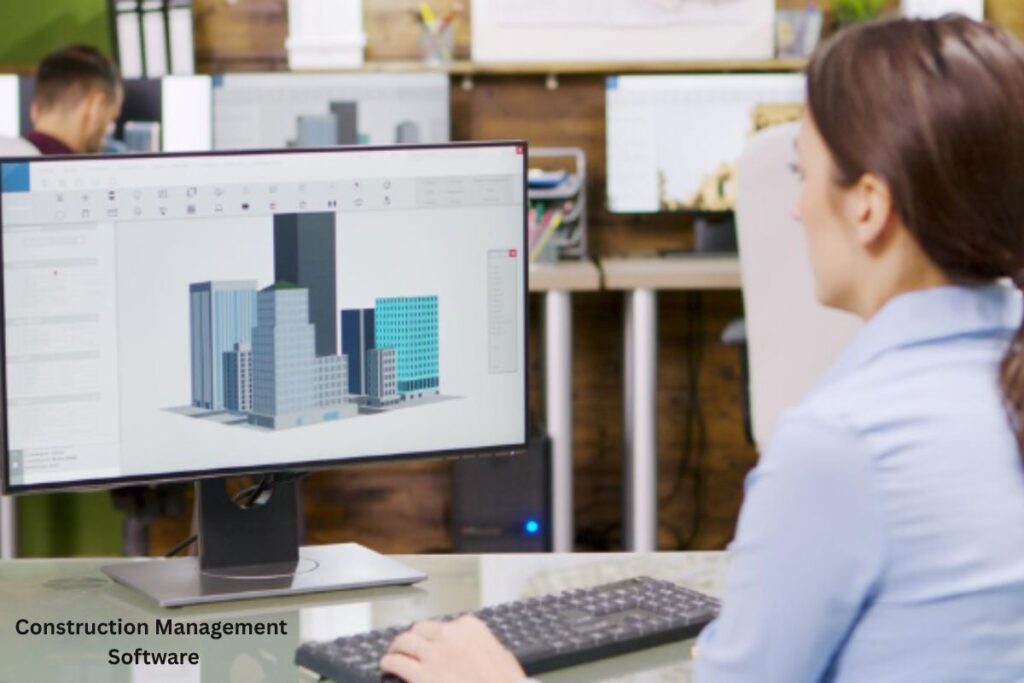
What Is Construction Management Software?
Construction Management Software is a digital platform designed to help construction professionals plan, organize, monitor, and manage projects from start to finish. It centralizes critical project information, making it easier for teams to collaborate and stay informed throughout the project lifecycle.
Whether you’re managing residential builds, commercial developments, or infrastructure projects, the right software can simplify complex workflows and improve overall project performance.
Why Construction Companies Need Construction Management Software
Construction projects are often complex and involve multiple stakeholders, including contractors, subcontractors, architects, engineers, suppliers, and clients. Without proper coordination, delays, budget overruns, and communication issues can quickly arise.
By implementing Construction Management Software, businesses can streamline operations, improve communication, and gain greater control over project execution. The software provides a centralized hub where all project data can be accessed in real time, helping teams make informed decisions quickly.
In today’s fast-paced construction environment, relying on outdated management methods can put companies at a significant disadvantage.
Key Benefits of Construction Management Software
Improved Project Planning and Scheduling
Successful construction projects start with effective planning. Modern software solutions offer advanced project scheduling tools that help managers create realistic timelines, assign tasks, and track milestones.
When project schedules are visible to everyone involved, it becomes easier to identify potential delays and make adjustments before problems escalate.
Better Financial Control
Managing project finances is one of the biggest challenges in construction. With construction budgeting software, companies can monitor expenses, track invoices, and compare actual costs against budget estimates.
This level of financial visibility helps reduce cost overruns and improves profitability.
Enhanced Collaboration
Construction projects require constant communication between various teams. Using team collaboration software, stakeholders can share updates, discuss issues, and access important documents from a single platform.
This reduces misunderstandings and ensures everyone is working toward the same goals.
Real-Time Project Tracking
One of the biggest advantages of Construction Management Software is its ability to provide real-time project updates.
With construction project tracking, managers can monitor progress, identify bottlenecks, and ensure that projects stay on schedule.
Centralized Document Management
Construction projects generate large volumes of paperwork, including contracts, blueprints, permits, inspection reports, and change orders.
Through construction document management, all files are stored securely in one location, making them easy to access and share when needed.
Essential Features to Look For
Not all construction software solutions are created equal. When evaluating options, consider the following features:
Resource Management
Efficient resource allocation is crucial for project success. Quality software includes resource management software capabilities that help track labor, equipment, and materials.
Cloud Accessibility
Modern businesses increasingly prefer cloud-based construction software because it allows teams to access project information from anywhere using any device.
Cloud platforms improve flexibility, collaboration, and data security.
Workflow Automation
Manual administrative tasks can consume valuable time. With construction workflow automation, repetitive processes such as approvals, reporting, and notifications are handled automatically.
This improves productivity and reduces the likelihood of human error.
Contractor Coordination
Managing subcontractors can be challenging, especially on large projects. Advanced contractor management software simplifies communication, task assignments, and performance tracking.
Reporting and Analytics
Data-driven decision-making is becoming increasingly important in construction. Software with project performance analytics provides valuable insights into project health, resource utilization, and financial performance.
How Construction Management Software Improves Productivity
Productivity is a major factor influencing project profitability. Construction teams often lose time due to poor communication, misplaced documents, scheduling conflicts, and inefficient workflows.
By using Construction Management Software, companies can eliminate many of these obstacles. Teams spend less time searching for information and more time focusing on critical project tasks.
The software also provides greater transparency, allowing managers to identify inefficiencies and implement improvements quickly.
Organizations that embrace digital project management often experience shorter project timelines, lower operational costs, and higher customer satisfaction.
Common Challenges Solved by Construction Software
Missed Deadlines
Advanced scheduling features help teams stay organized and meet important milestones.
Budget Overruns
Integrated budgeting tools provide better financial visibility and cost control.
Communication Breakdowns
Centralized communication platforms ensure that everyone receives the same information.
Resource Conflicts
Effective resource planning prevents labor and equipment shortages.
Compliance Management
Many software platforms include compliance tracking features that help companies meet regulatory requirements and maintain safety standards.
Why Cloud-Based Solutions Are the Future
The construction industry is rapidly adopting digital technologies, and cloud-based construction software is leading the way.
Cloud solutions offer several advantages:
- Remote access to project data
- Automatic software updates
- Improved collaboration
- Enhanced security
- Reduced IT costs
As construction firms continue to expand geographically and manage multiple projects simultaneously, cloud-based platforms provide the flexibility needed to operate efficiently.
Choosing the Right Construction Management Software
Selecting the right Construction Management Software requires careful consideration. Every company has unique needs based on project size, workforce structure, and business goals.
Before making a decision, consider:
- Ease of use
- Scalability
- Integration capabilities
- Mobile accessibility
- Customer support
- Pricing structure
The best solution is one that aligns with your organization’s operational requirements and growth plans.
Conclusion
The construction industry is becoming more competitive and technology-driven than ever before. Businesses that embrace digital tools are better positioned to deliver projects on time, stay within budget, and exceed client expectations.
Investing in reliable Construction Management Software can transform how your company plans, executes, and monitors projects. From scheduling and budgeting to collaboration and reporting, these platforms provide the tools needed to improve efficiency and drive long-term success.
At AiToolReviewPro, we believe that the right software isn’t just a convenience—it’s a strategic investment that helps construction businesses thrive in an increasingly complex marketplace.
Frequently Asked Questions (FAQs)
What is Construction Management Software?
Construction Management Software is a digital solution that helps construction companies manage project planning, scheduling, budgeting, documentation, communication, and reporting from a centralized platform.
Who should use Construction Management Software?
General contractors, project managers, subcontractors, engineers, architects, and construction business owners can all benefit from using construction management software.
Is cloud-based construction software secure?
Yes. Most modern cloud-based platforms use advanced encryption, secure backups, and access controls to protect project data.
Can small construction companies benefit from construction software?
Absolutely. Small businesses can improve efficiency, reduce paperwork, and manage projects more effectively using construction management tools.
How does construction management software reduce project delays?
The software improves scheduling, communication, resource allocation, and progress tracking, helping teams identify and resolve issues before they impact deadlines.
What features are most important in construction management software?
Key features include scheduling, budgeting, document management, collaboration tools, reporting, workflow automation, and mobile access.